Banyan Tree (from the internet) White marker on printed paper
The workmanship of risk 🪩
This week I reflected on Muggeridge's A Knowing Wrongness in graphic design, explored further on the visual expression of game of life' drawing pad and
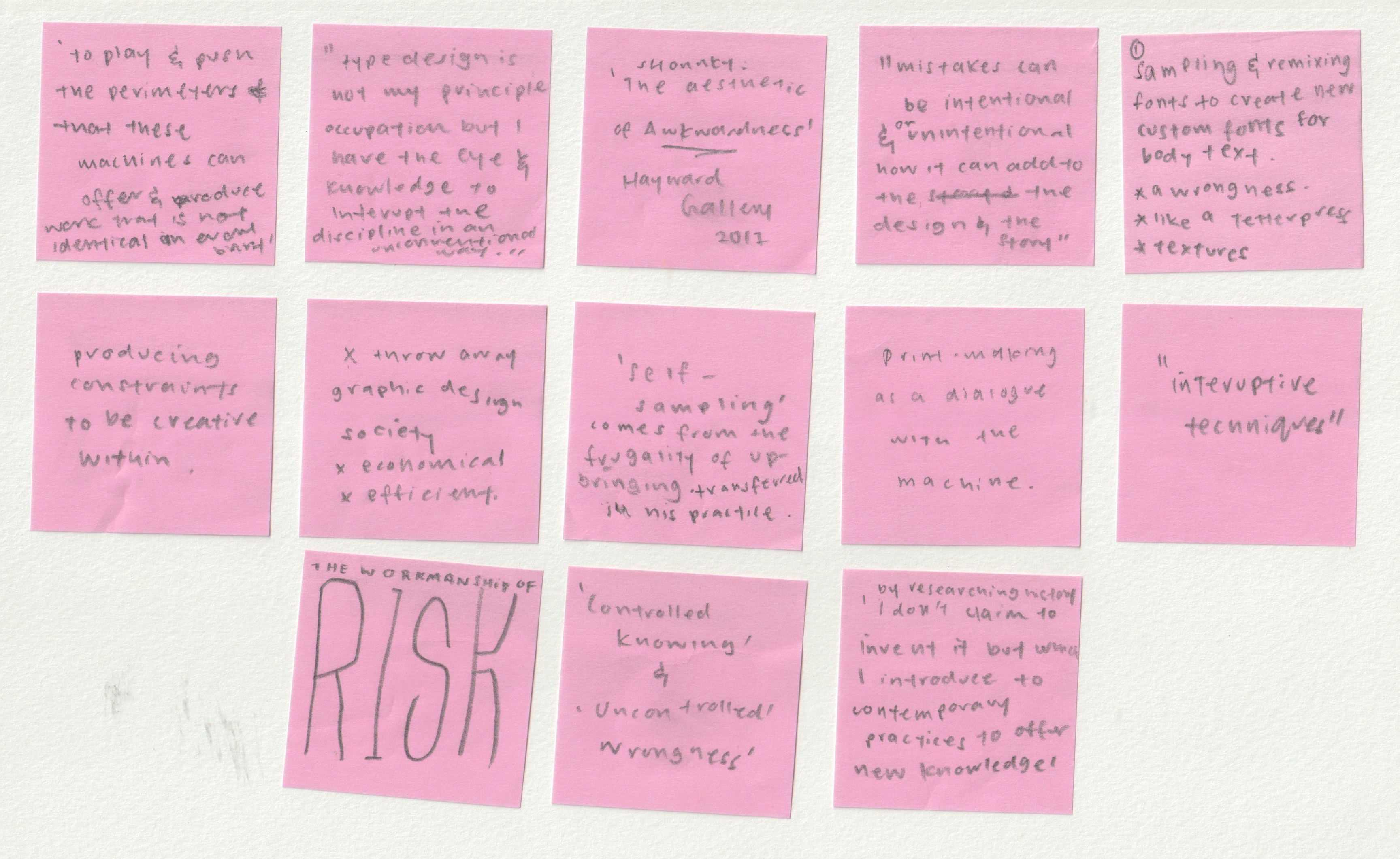
① 'Controlled Knowing' and 'Uncontrolled Wrongness'
-
Reflecting on my feedback last week, I took the advise and watch the online seminar of Fraser Muggeridge where he shared his key concept of 'a knowing wrongness' refering to his unconventional approach and 'interuptive' techniques to creating custom typography, typesetting, printmaking, etc. to add to the design and the story. His unique approach is specific to the field of graphic design, and can be exemplified in the 'misuse' of StippleGen where user generally use it to manipulate images into stipple drawing.
-
Inspired by the continued path that the software produces, he use it to generate a range of letterforms that not only look awkward, fun and dynamic, but also serves as a quick and efficient way to create a custom variable type. This approach also reflects a larger trend in custom font in the feild of graphic design.
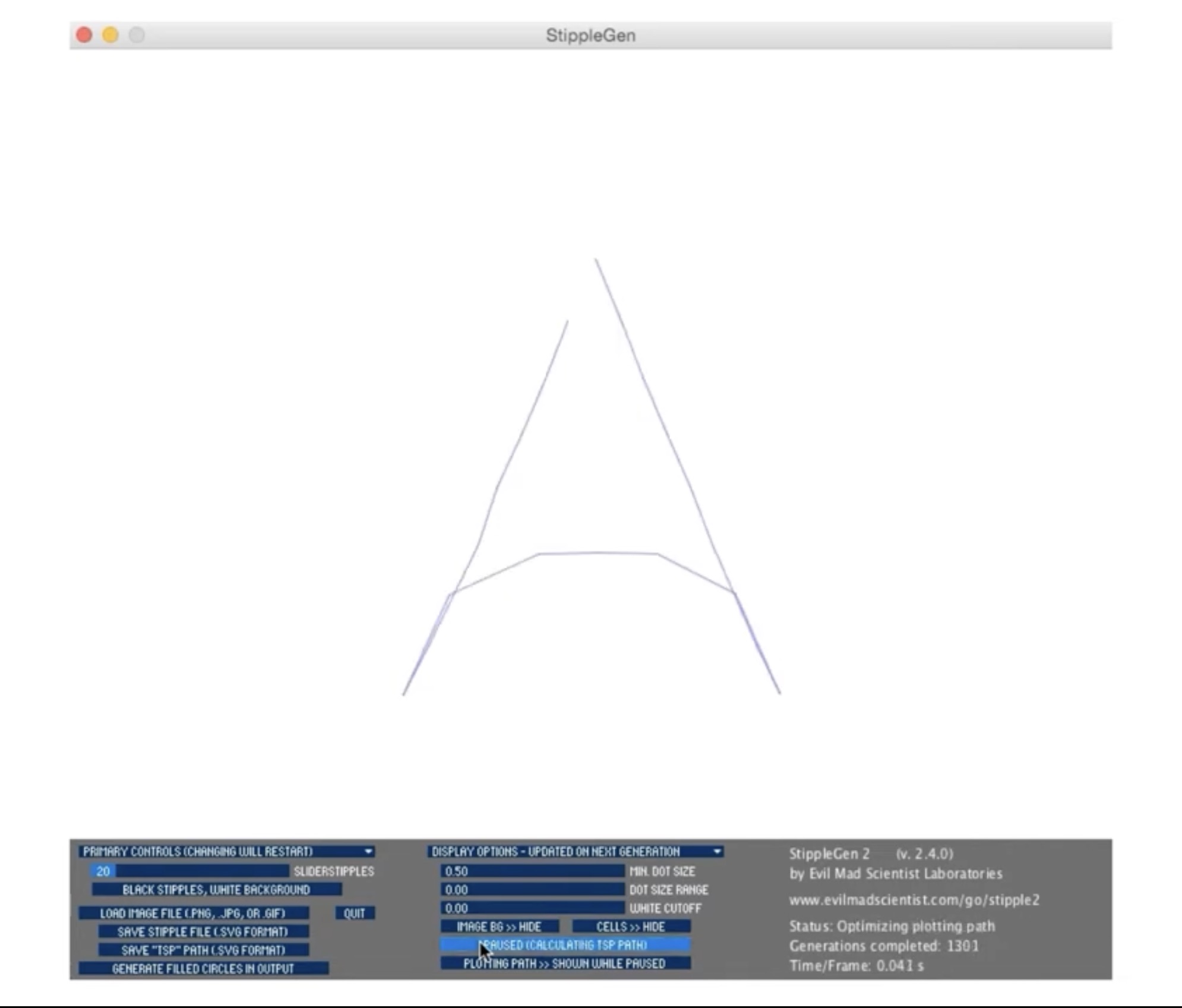
Mis-using StippleGen
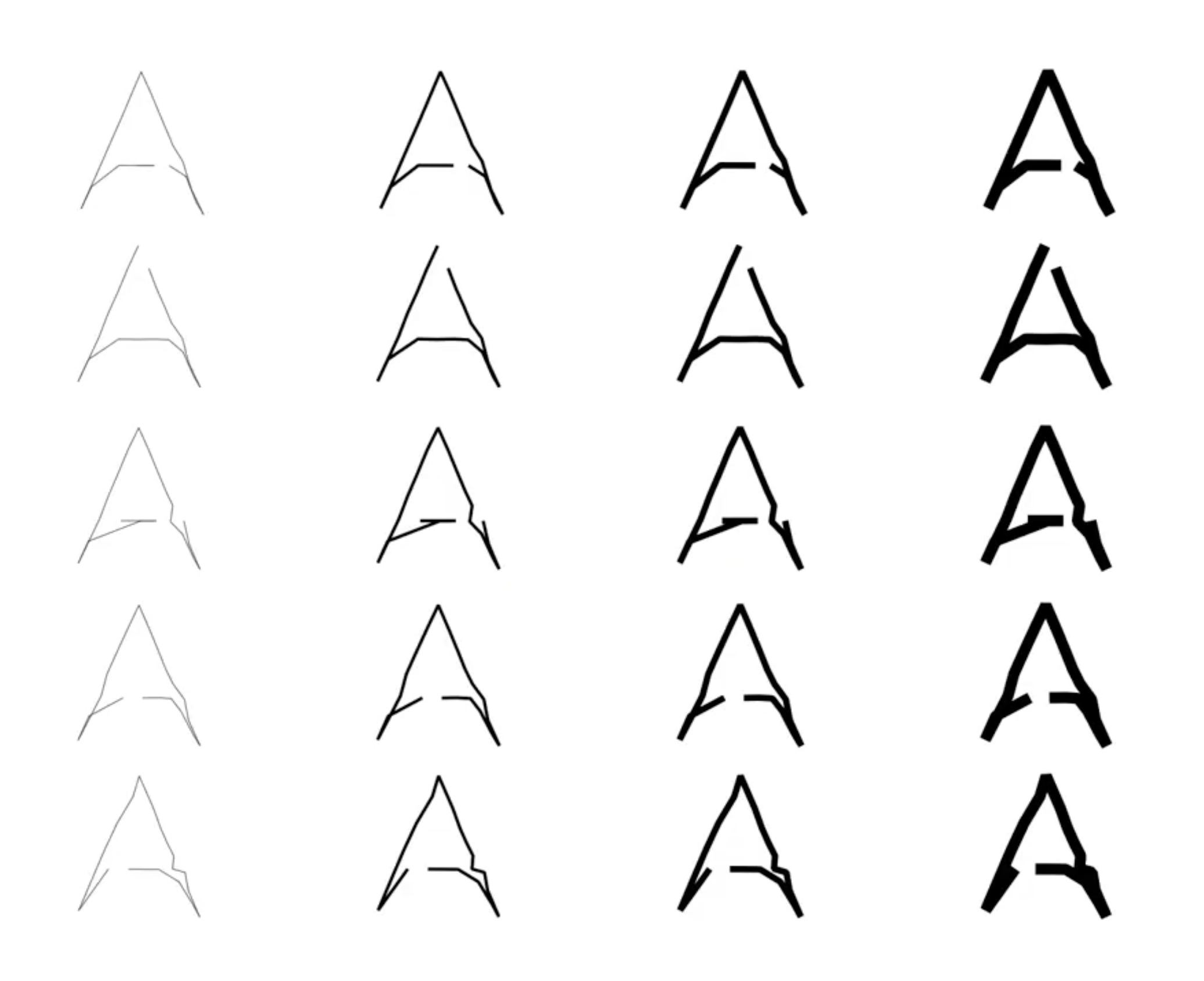
Variable letterform 'A' after misusing Stipple Gen
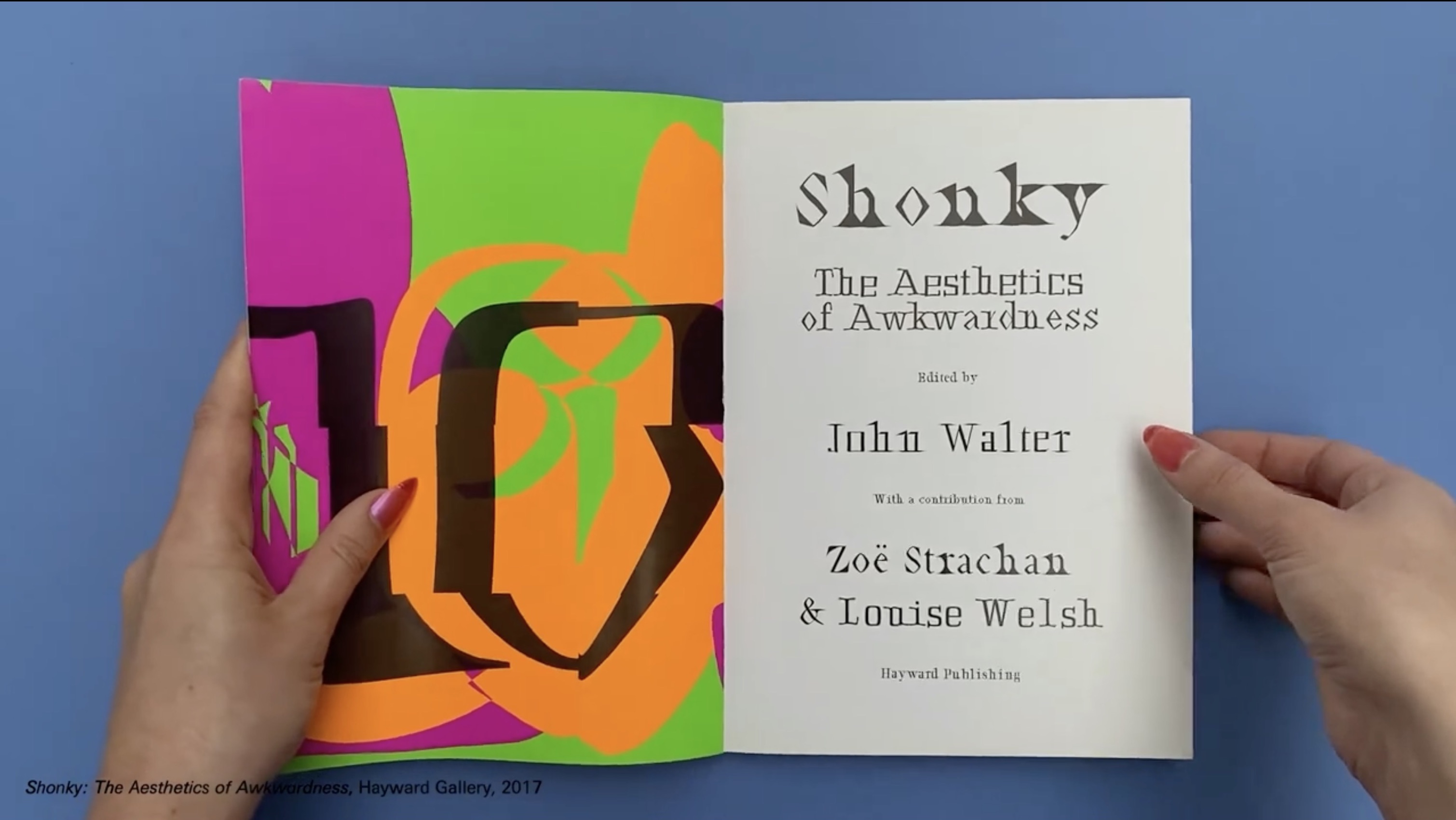
Shonky: The Aesthetic of Awkardness 2017
Another key aspect of his unique practice is 'sampling and remixing' refering to the emphasis on researching and reinventing historical visual culture into contemporary practices to offer new knowledge. Bridging the classical and contemporary graphic design through the embodied attitude of frugality.
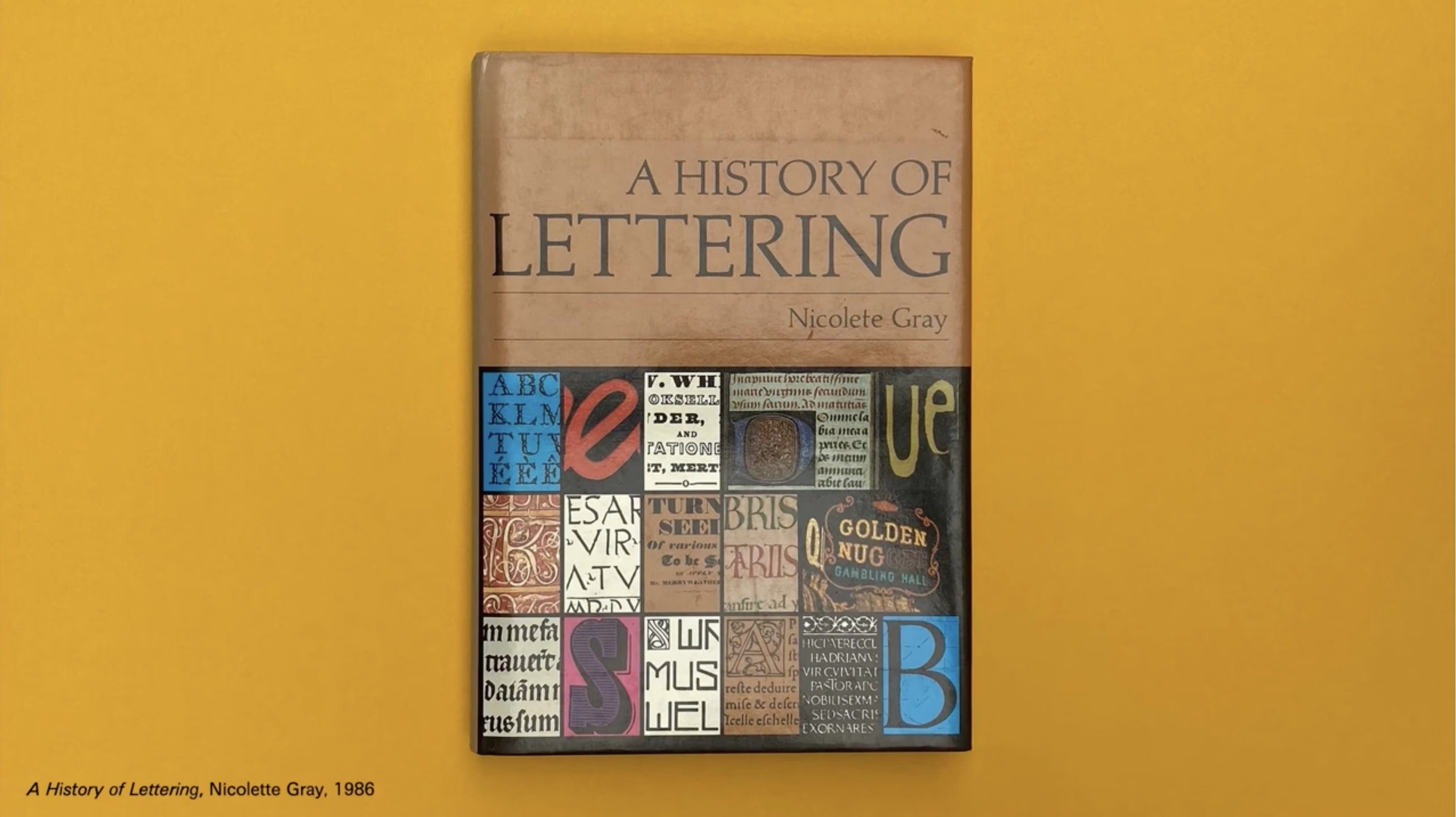
A History of Lettering 1986
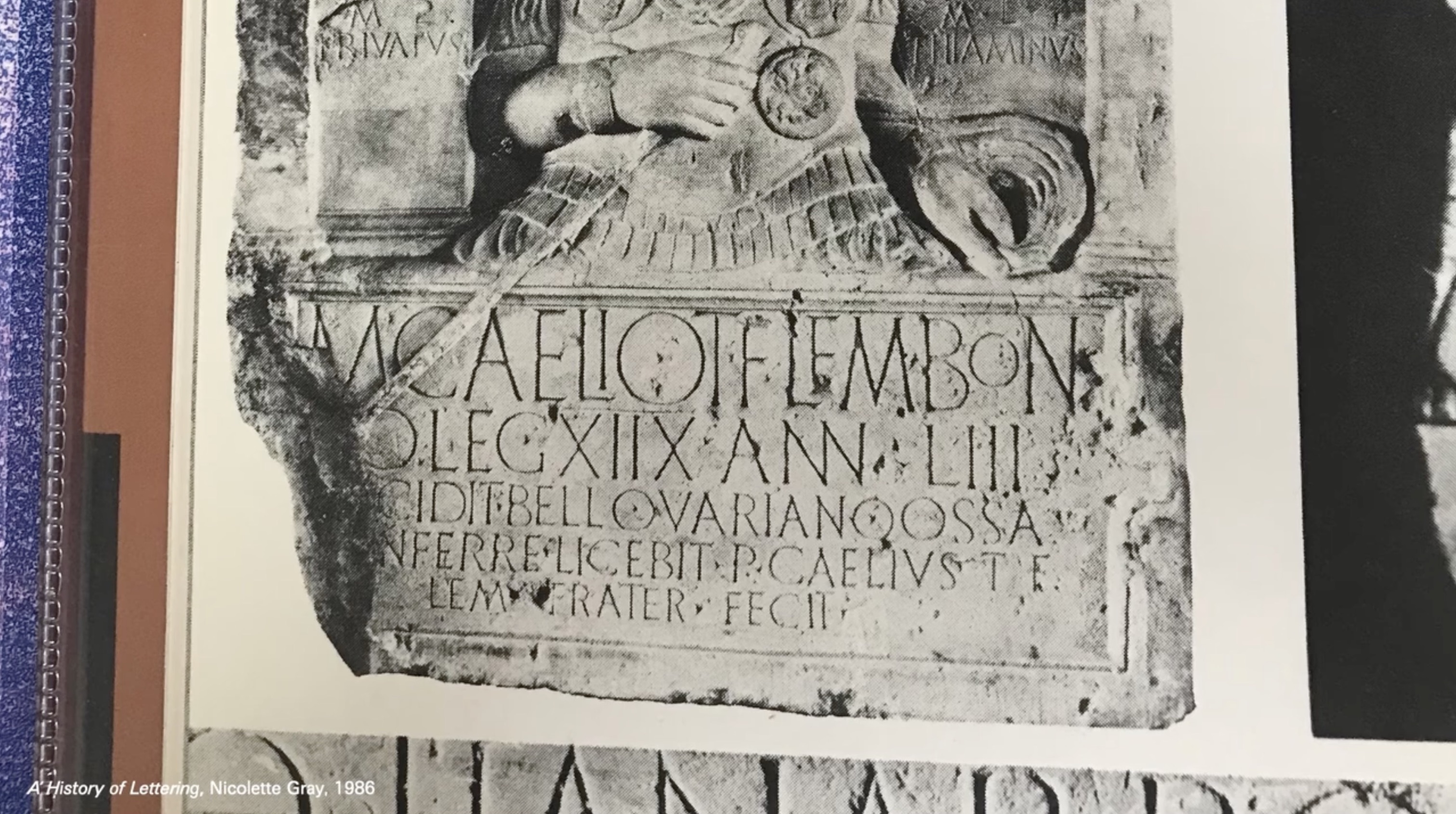
A fascination over stone carving typesetting
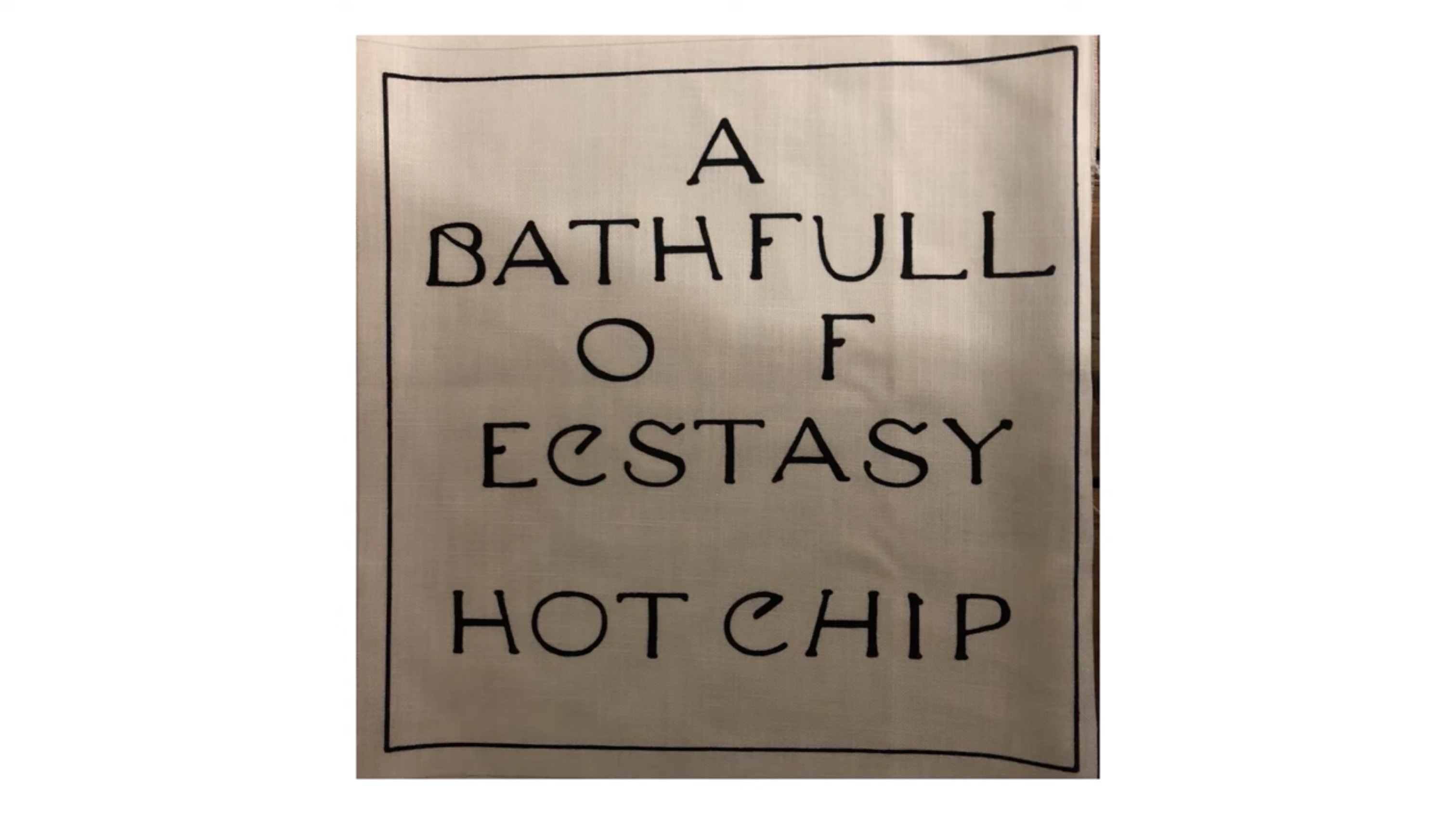
Hot Chip – Muggeridge's visual exploration
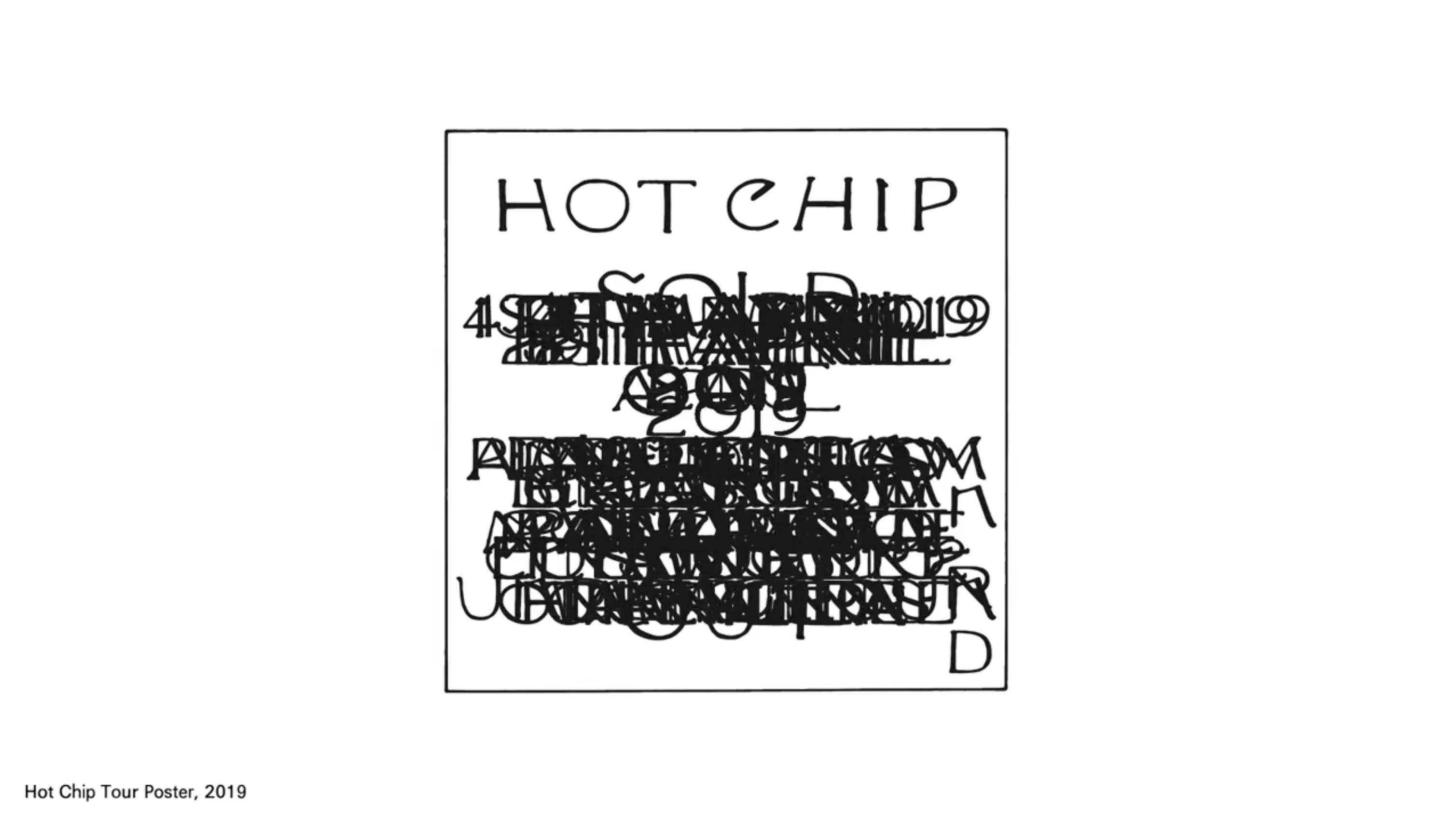
Layering tour posters micmicking and sampling his practice of layering lithography frames for unexpected outcome
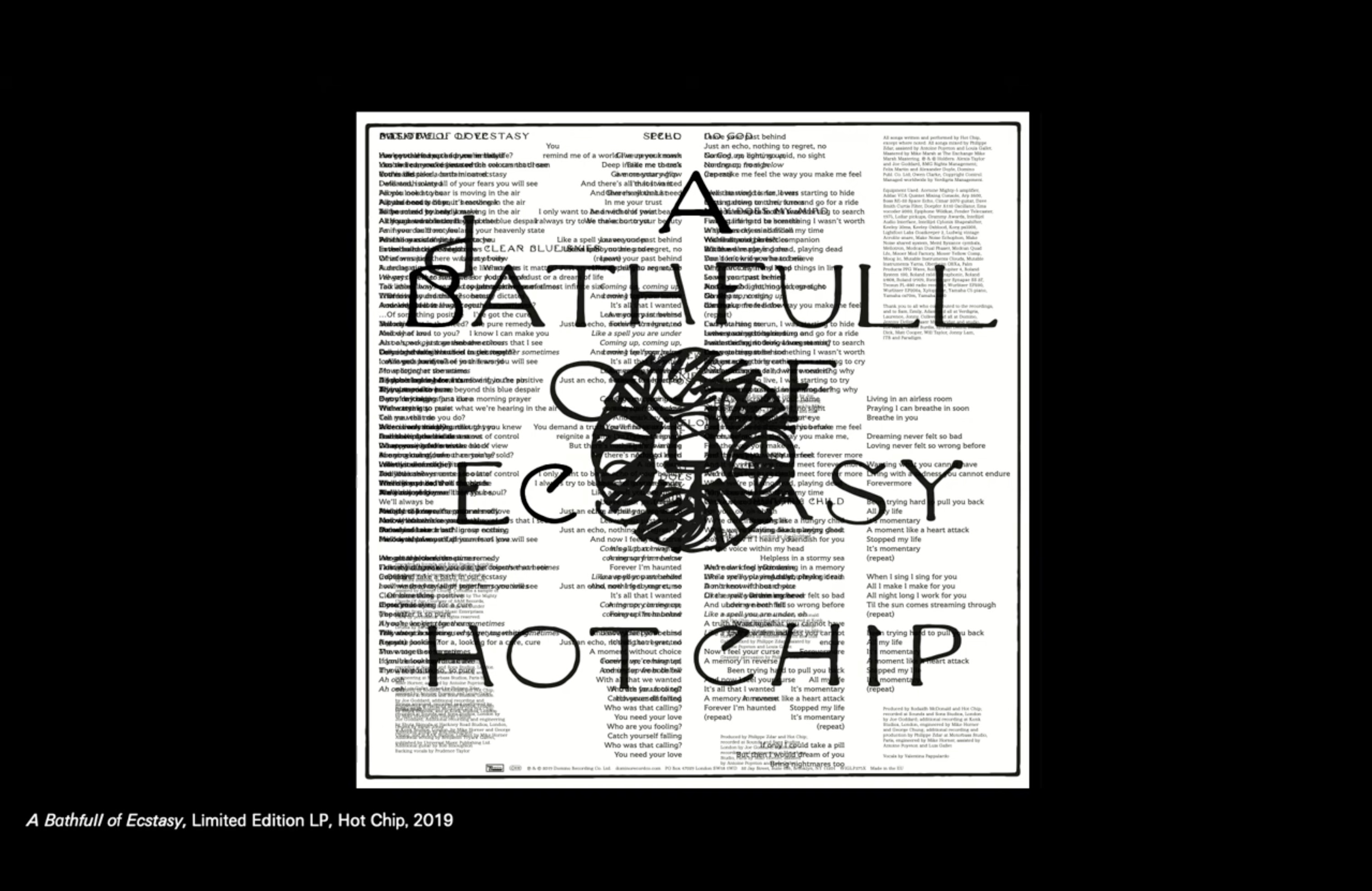
Record album design for Hot Chip
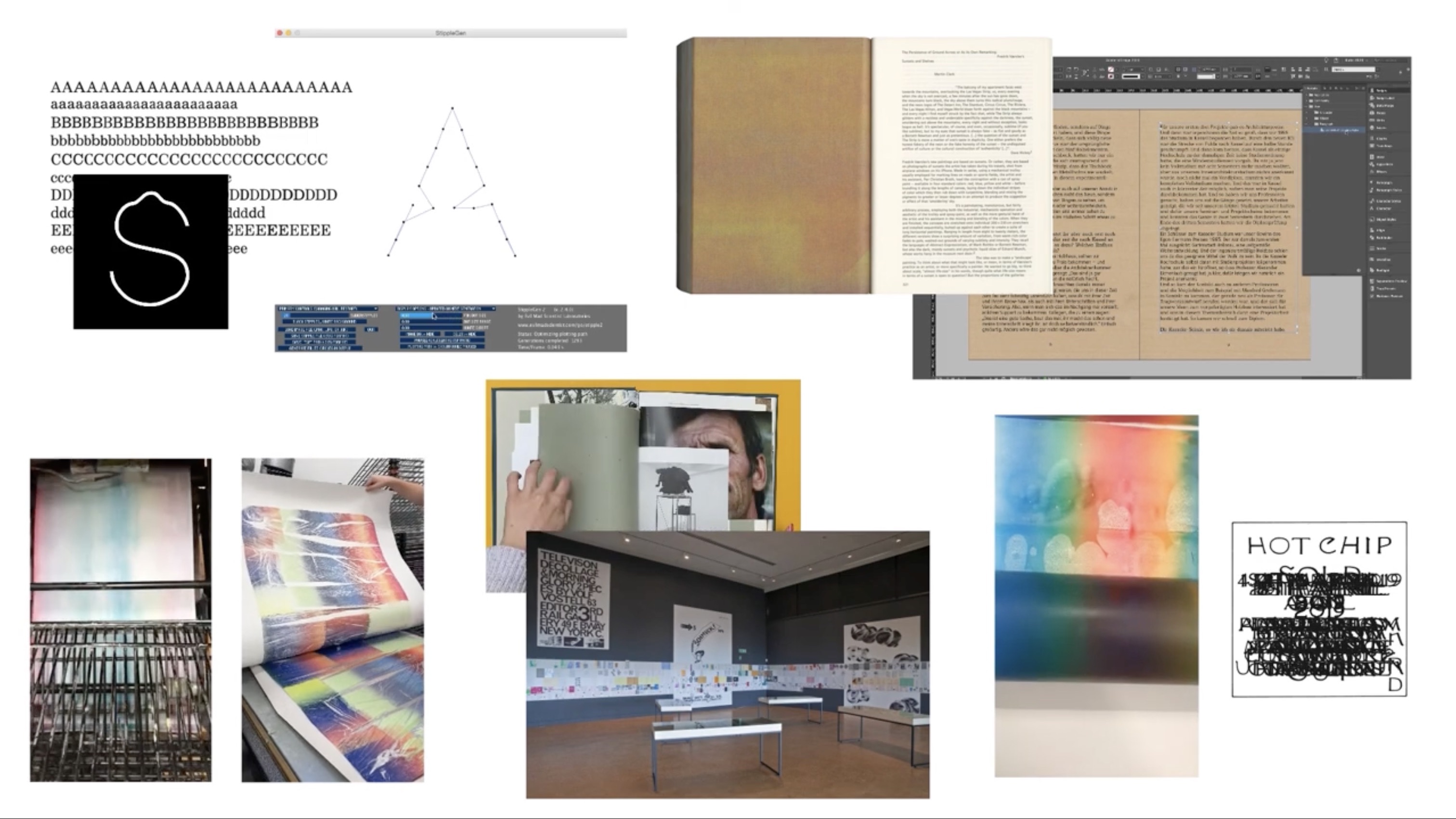
Overview of Fraser Muggeridge's PhD examination presentation 2022 – Link to Video
Reflecting on my catalogue of making thus far, his approach to graphic design is definetely relevant and relatable as a graphic designer. Right now, I am just not sure how being a graphic designer fit into my current research intention of sparking conversations about the environmental impacts of technological devices. If what I've been doing is sampling my old projects into experiments that can meaningfully talk about the environment... has my research been all about reimagining my unconventional graphic design practice to explore graphic design ethics regarding environmental impact? 0_____0
-
② Drawing with my body
-
Reflecting on Week 10's drawing pad, I wasn’t satisfied with just using a mouse and my hands to draw. I was curious to try drawing with body gestures. So, then I tried combining the drawing pad with Posenet - a Google learning framework that detects key body points in human figures. This one is with eyes.
-
Game of life drawing pad with eyes
-
Then I tried it with my right hand.
-
Game of life drawing pad with right hand
-
I tried tricking the software to detect my a fake hand. It did not work..
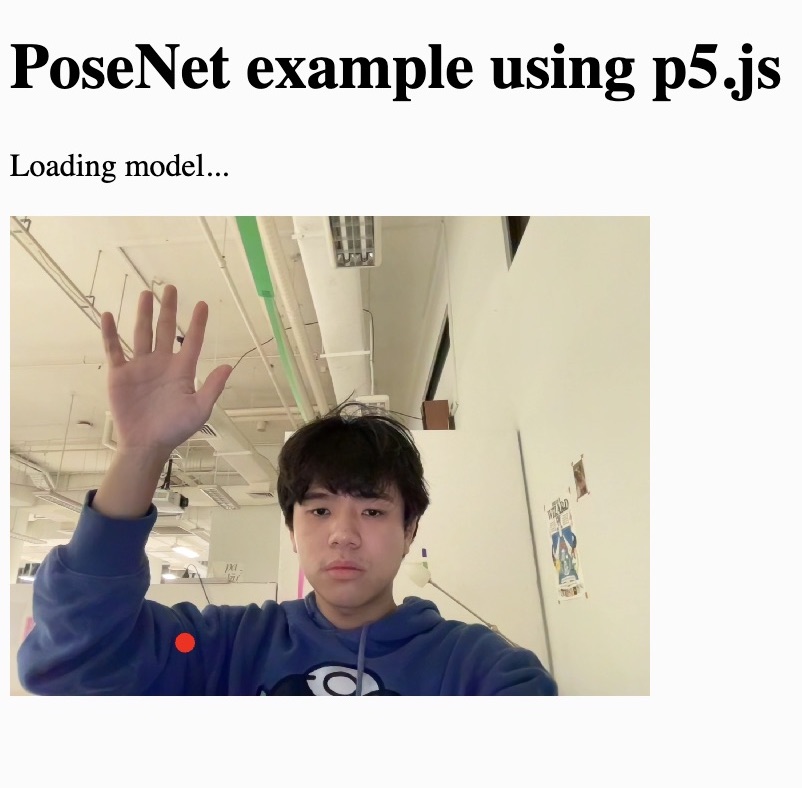
Right wrist detection – success
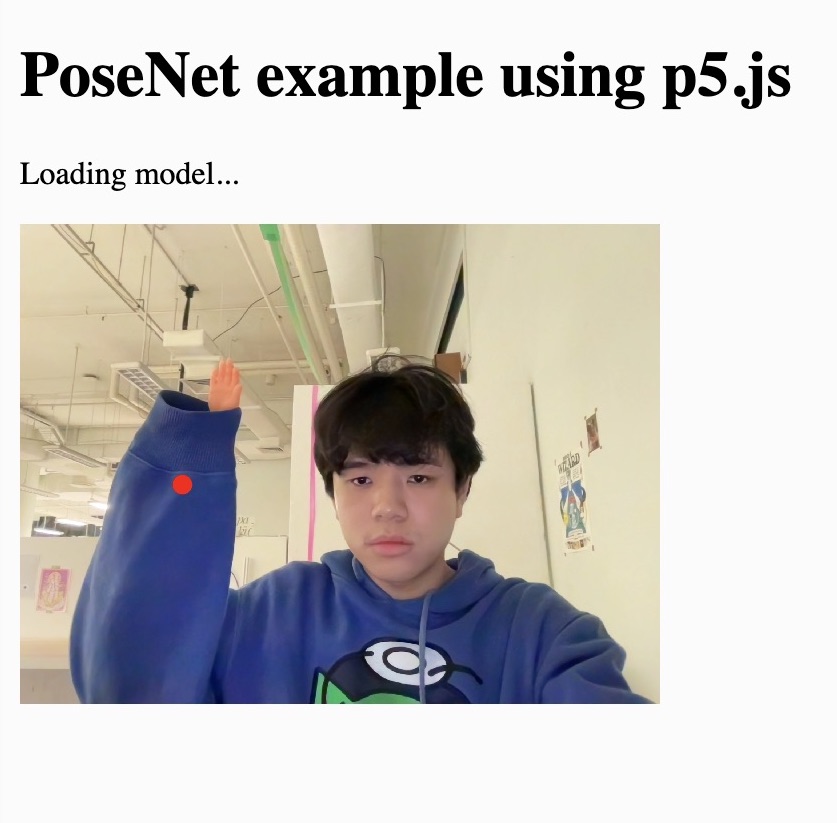
Right wrist detection with fake hand – success-ish?
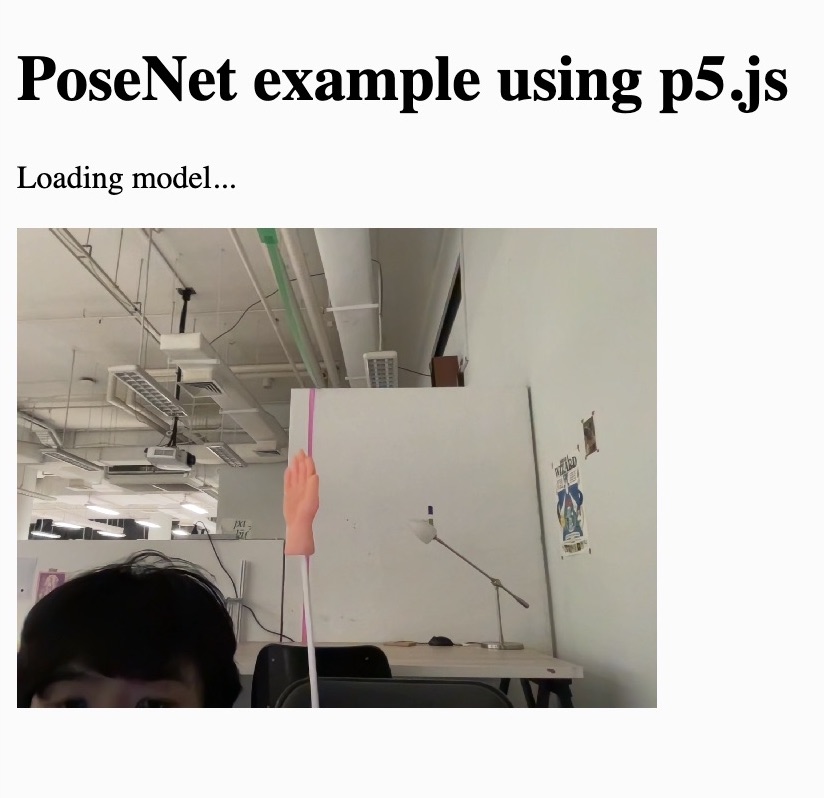
Right wrist detection with just fake hand – failed
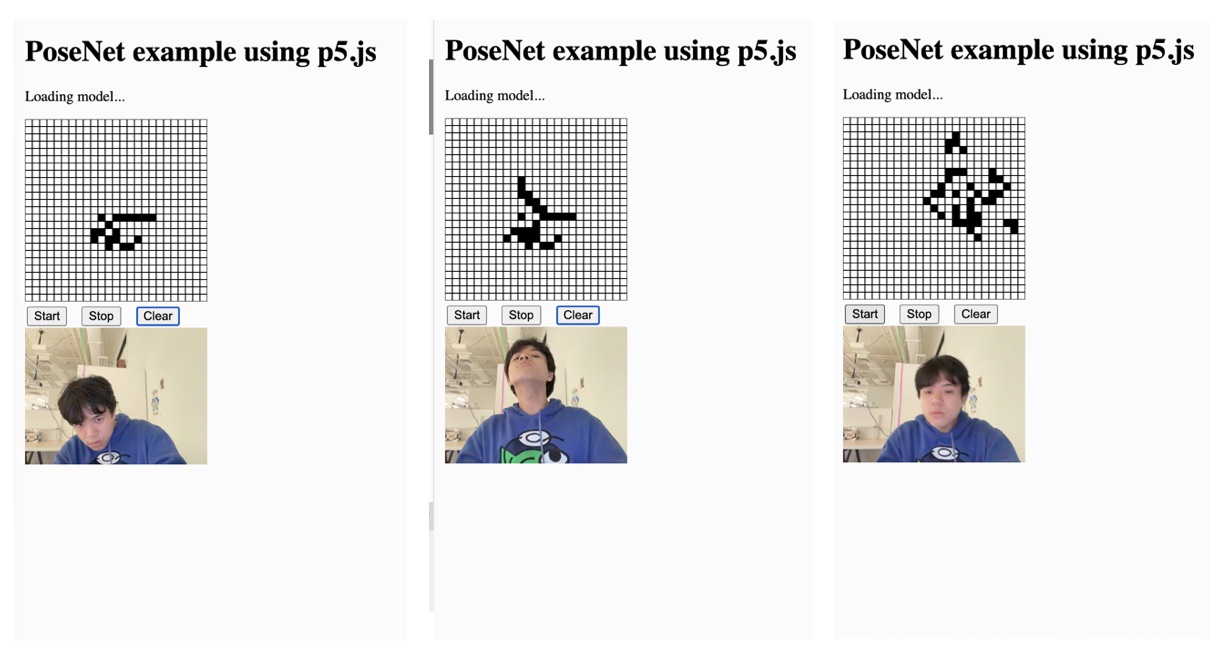
Some fun and lively screen captures
-
Then I tried it with nose.
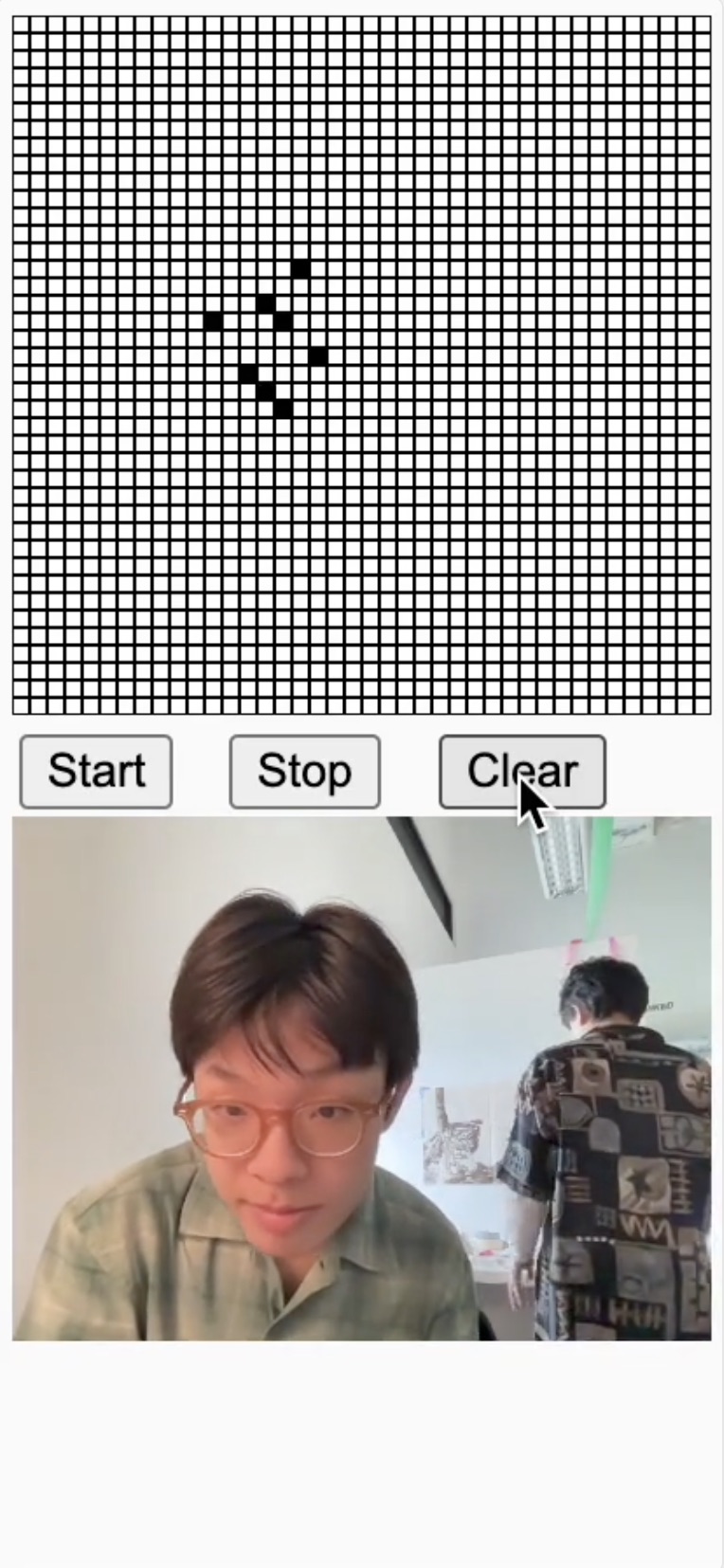
User:Junliang, 25 1
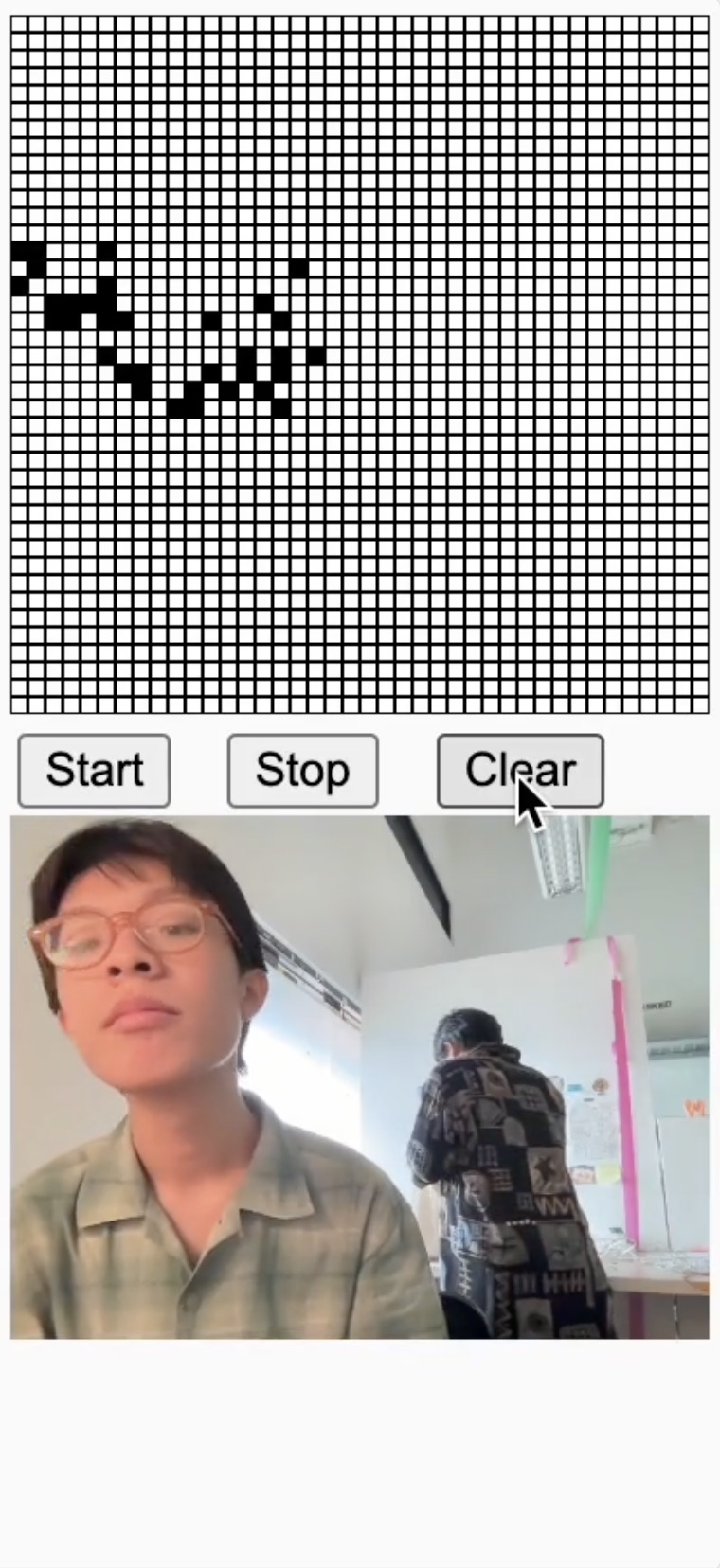
User:Junliang, 25 2
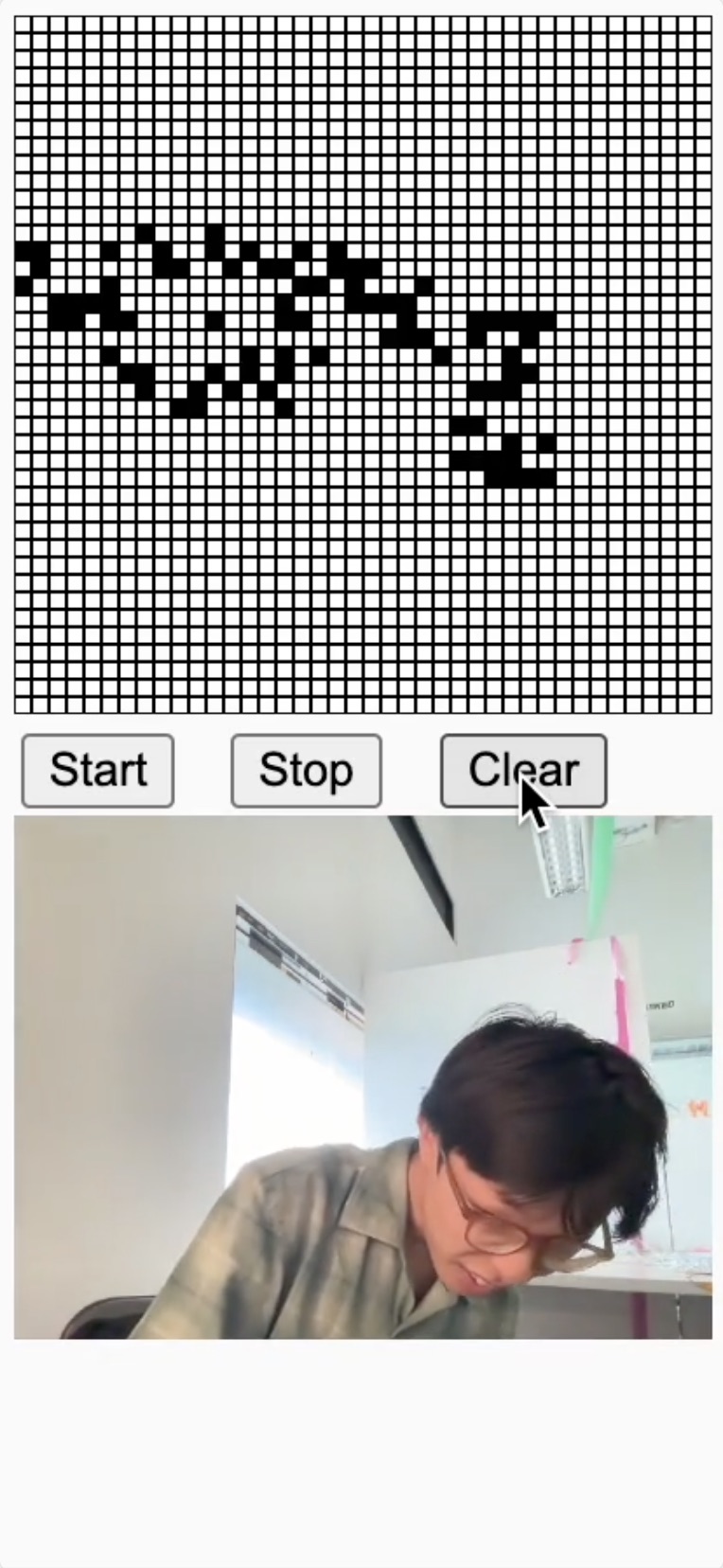
User:Junliang, 25 3
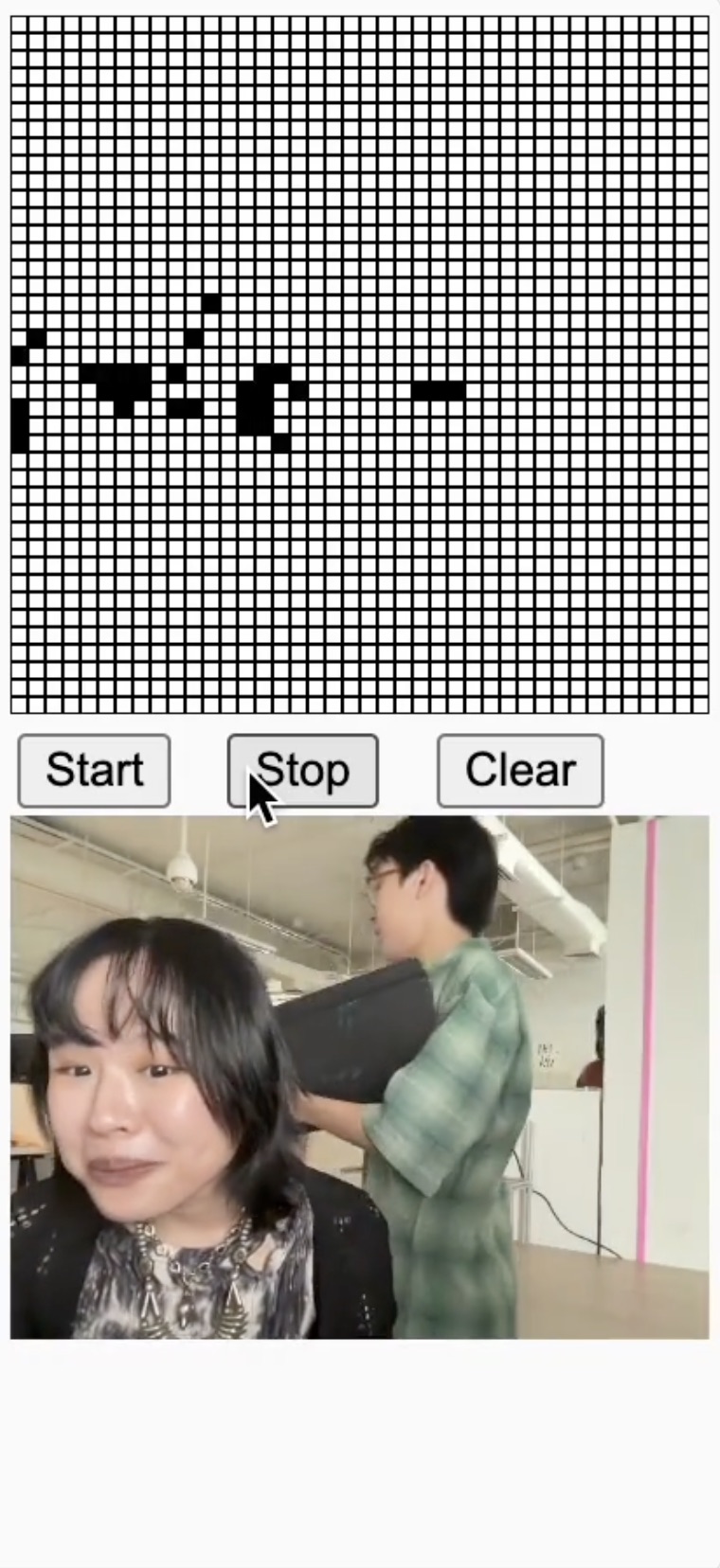
User:Alda, 24 1
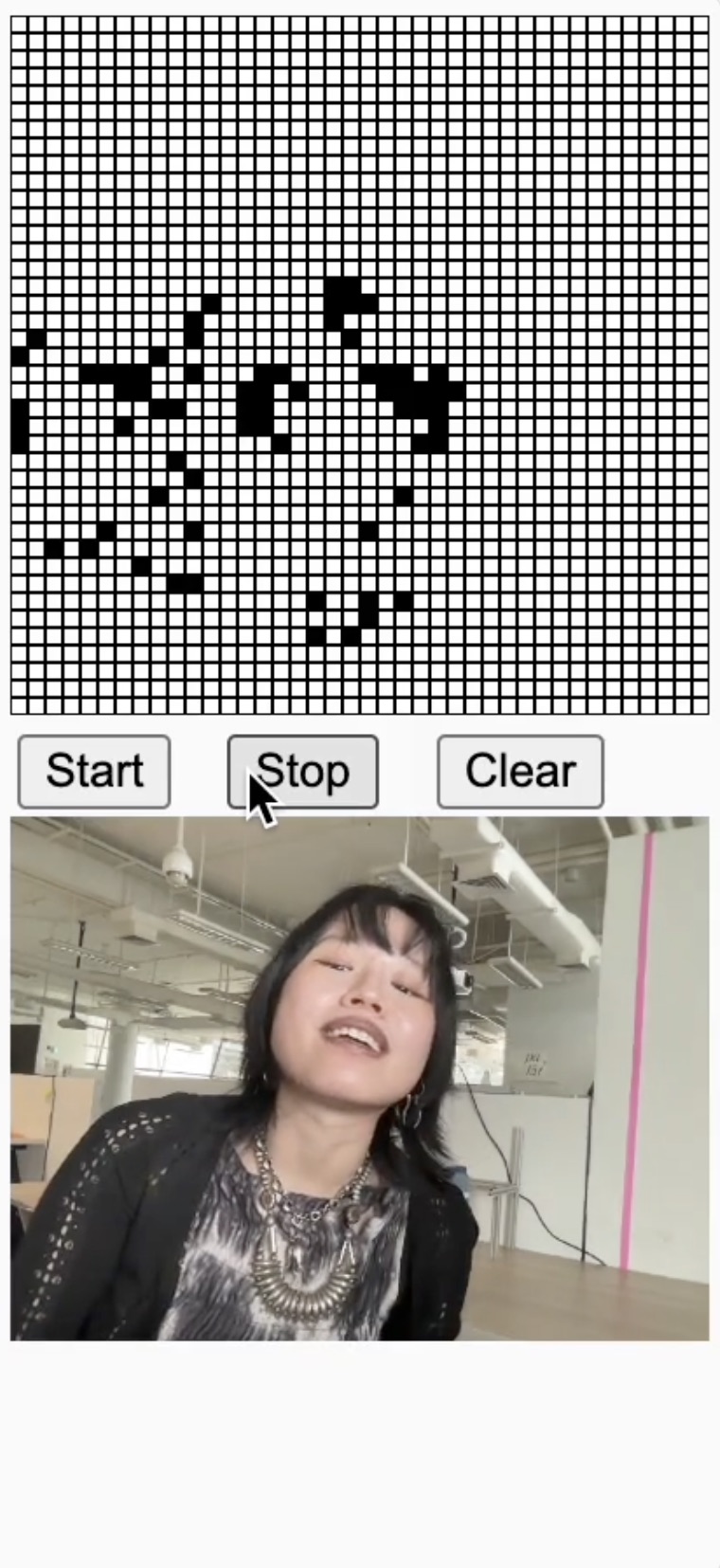
User:Alda, 24 2
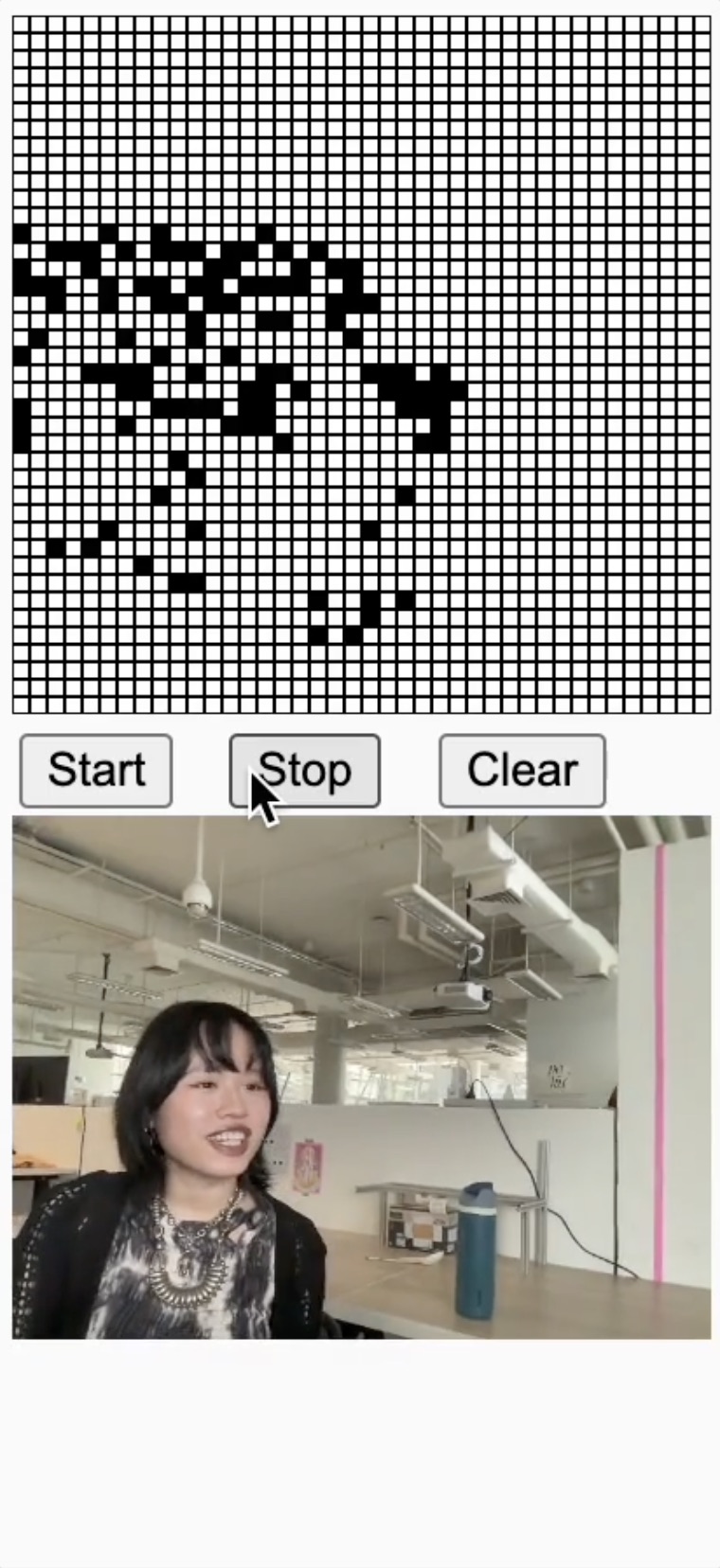
User:Alda, 24 3
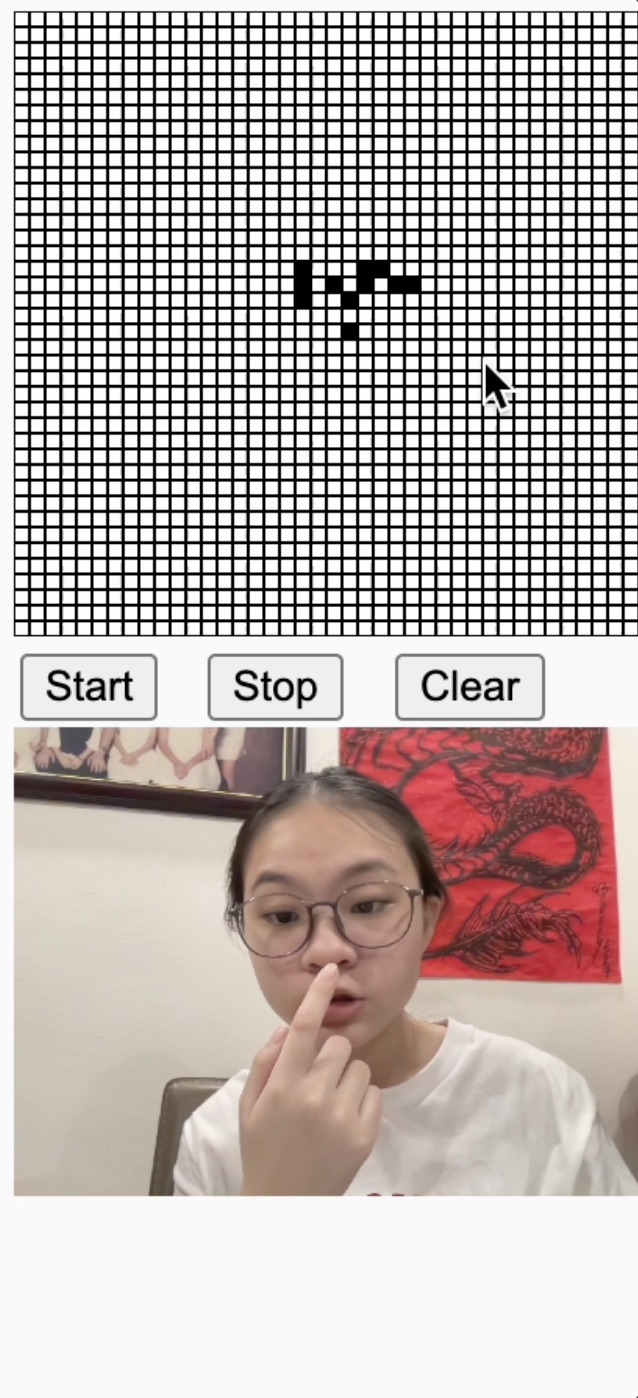
User:Yvis, 16 1
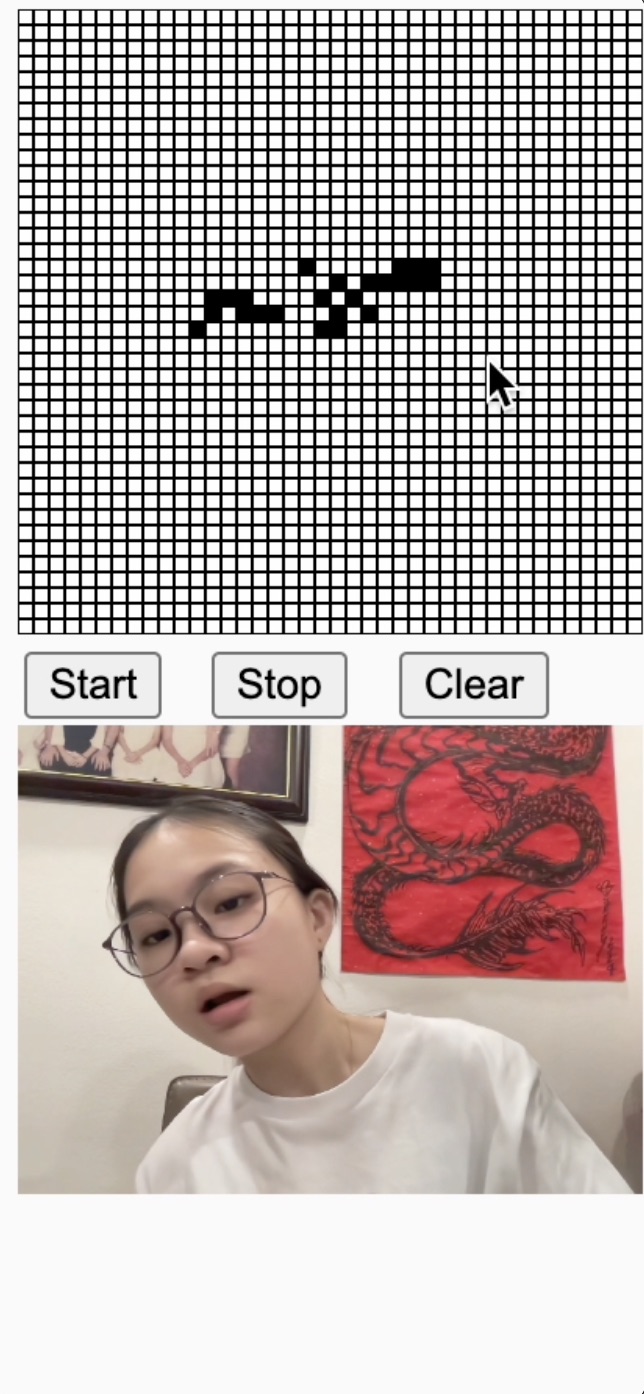
User:Yvis, 16 2
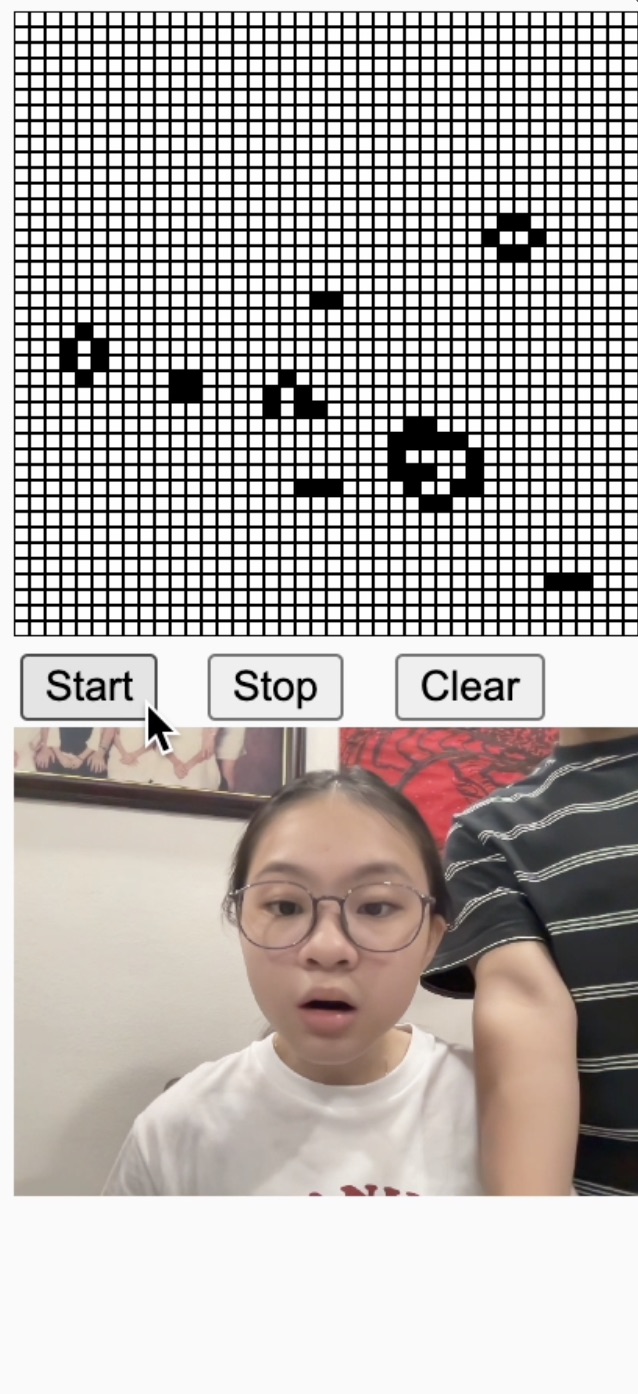
User:Yvis, 16 3
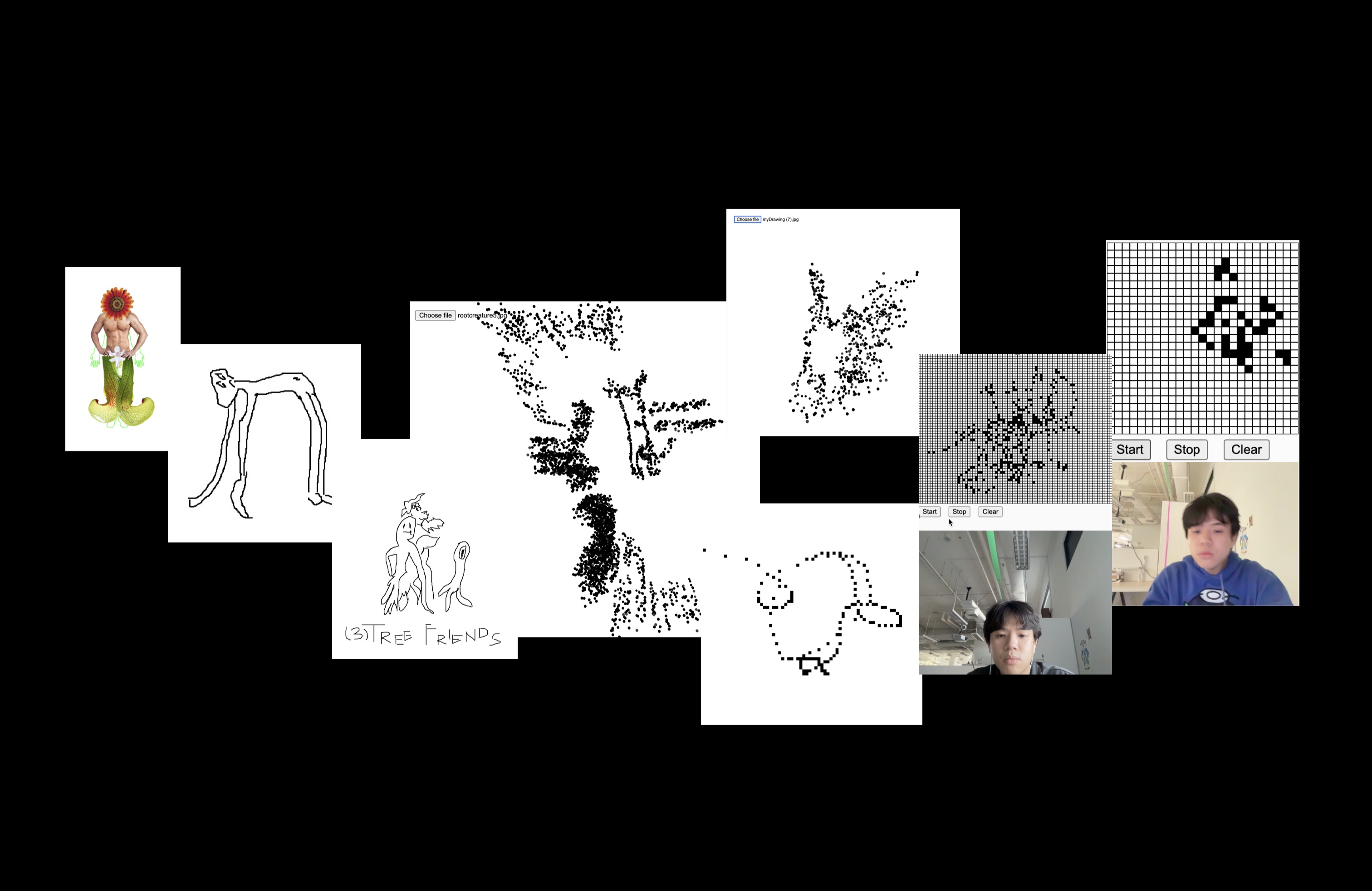
Evolution 24 Oct 2024
③ Incorporating a second sensor into fake hand 🔎
Next, for my physical making. I tried incorporating LDR as an input for my servo-motorised hand.
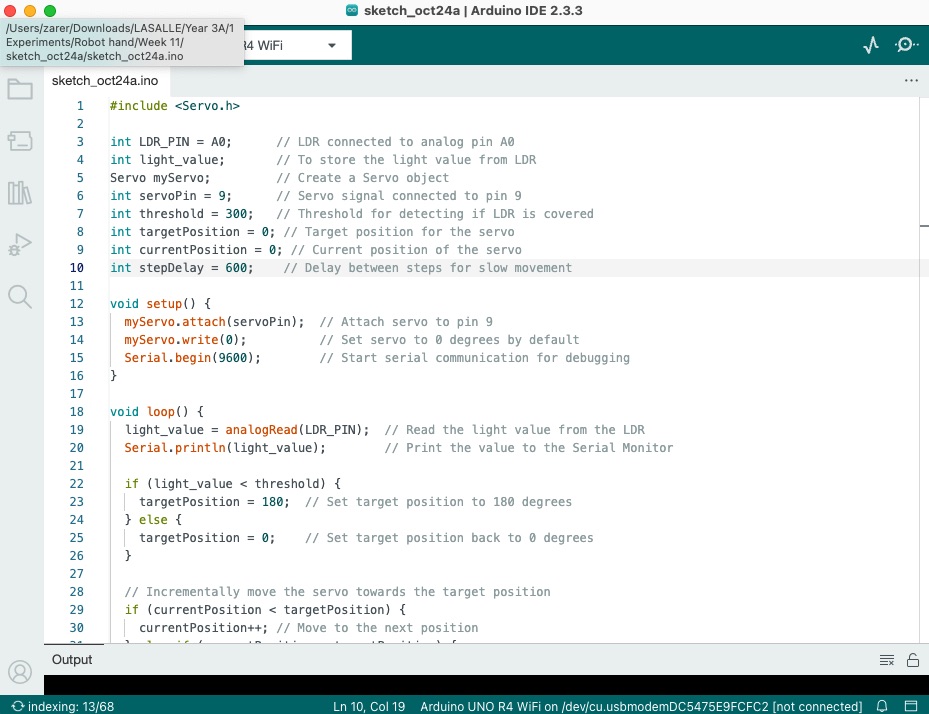
Arduino Sketch for LDR as input and Servo Motor as output 24 Oct 2024
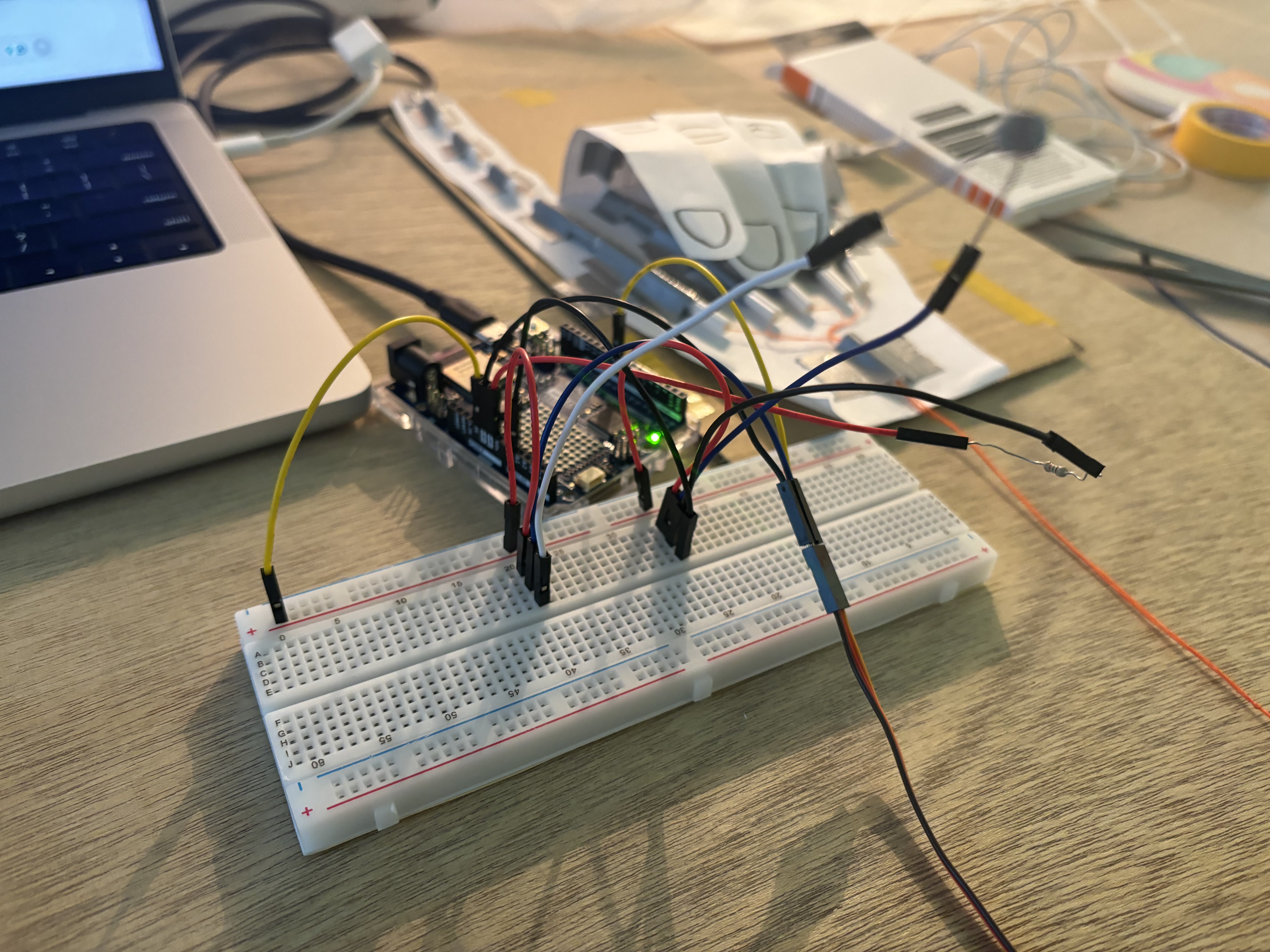
Set up 24 Oct 2024
-
Test 24 Oct 2024
-
Test 24 Oct 2024
Reflection 😮
I am reflecting on